
Discover Kearny NJ Homes for Sale: Your 2026 Buying Guide
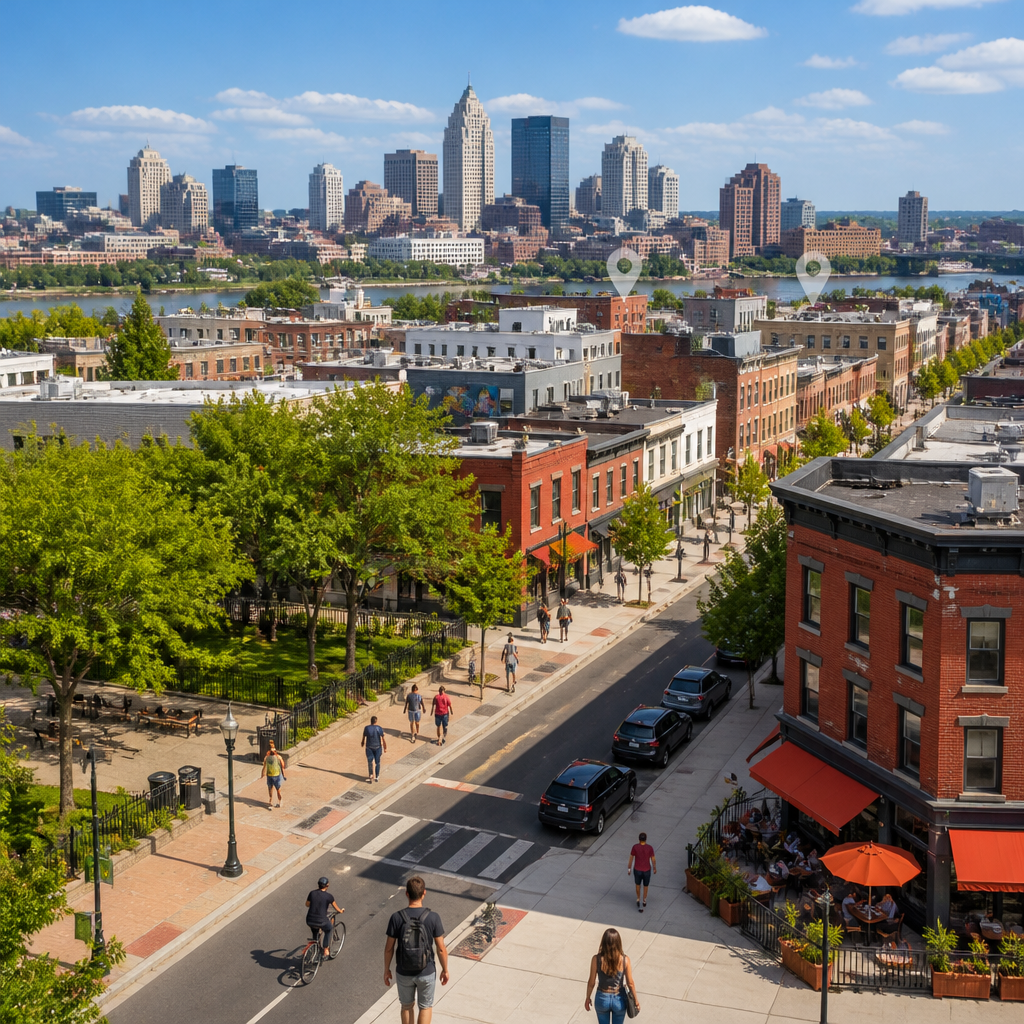
Kearny sits along the Passaic River with a small-town feel and direct access to major North Jersey employment hubs. According to U.S. Census QuickFacts, Kearny’s population stands near 41,000 residents as of the most recent estimates, supporting a steady base of local services and businesses. Tree-lined blocks around Kearny Avenue, Belgrove Drive, and Midland Avenue mix long-term homeowners with recent arrivals seeking relative value compared with nearby Jersey City and Newark. Understanding prices, taxes, schools, and transportation helps buyers approach Kearny NJ homes for sale in 2026 with clear expectations.
How Do Prices for Kearny NJ Homes for Sale Compare in 2026?
Pricing in Kearny reflects strong demand from commuters seeking access to Newark, Jersey City, and Manhattan without downtown price tags. According to Redfin data through early 2026, typical closed sale prices in Kearny fall in a broad band between $450,000 and $650,000, depending on size and location. Blocks near Kearny High School and Kearny Public Library often command premiums over homes closer to the industrial fringe. Two-family properties along Chestnut Street and Highland Avenue trade higher because they can offset carrying costs with rental income.
Entry-level buyers frequently focus on smaller colonials and capes east of Schuyler Avenue, where lot sizes average around 3,000 to 4,000 square feet. According to current figures from Zillow, many starter homes in this pocket close in the approximate range of $430,000 to $520,000 as of late 2025. Larger homes near West Hudson Park, especially around Devon Terrace and Park Avenue, can stretch well above $700,000 when renovated with modern kitchens and finished basements.
Condos and townhomes remain a smaller part of the Kearny NJ homes for sale landscape but still matter in budgeting. Current market reports from Realtor.com show attached units closing between roughly $300,000 and $420,000 in recent quarters. Monthly common charges can add another $250 to $450, which is important for total housing cost comparisons. Some buyers accept slightly higher monthly expenses in exchange for parking, snow removal, and shared amenities such as small fitness rooms or rooftop decks.
What Should Buyers Know About Taxes, Insurance, and Monthly Costs?
Property taxes form a major component of monthly ownership costs in Kearny. According to county-level data from Tax-Rates.org, Hudson County’s average effective property tax rate sits near 2.0% to 2.2% of assessed value. For a Kearny home purchased around $550,000, that range translates into an approximate annual tax bill between $11,000 and $12,000, though specific assessments on blocks like Davis Avenue or Hickory Street can run somewhat higher or lower.
Financing structure also reshapes affordability. As noted by HUD, minimum down payments on FHA loans can be as low as 3.5%. On a purchase of $500,000, that equals about $17,500 upfront. By contrast, conventional financing with 20% down—around $100,000—can reduce monthly payments and private mortgage insurance. Many buyers targeting Schuyler School or Franklin School zones weigh whether higher down payments now will offset long-term carrying costs.
Late on a fall afternoon, the area around West Hudson Park delivers a clear sense of day-to-day life costs support. The soft crunch of leaves along Belgrove Drive mixes with the distant roar from traffic on the Belleville Turnpike, while lights flicker on in homes facing the park’s playing fields. From the benches along Kearny Avenue, the glow from storefronts like Boi Na Brasa BBQ and Kearny Bar radiates onto the sidewalk, making monthly expenses feel tied directly to this tangible neighborhood experience.
How Strong Are Schools and Community Amenities near Kearny NJ Homes for Sale?
Families often structure home searches around school options and nearby amenities. According to GreatSchools, Kearny High School currently posts a rating in the mid range, with particular strengths in college readiness metrics. Elementary choices such as Lincoln School, Washington School, and Roosevelt School offer additional variety for different parts of town. Homes within a few blocks of these campuses along Woodland Avenue, Quincy Avenue, and Chestnut Street tend to attract long-term owners seeking predictable school commutes.
Kearny’s parks add outdoor value beyond square footage figures. West Hudson Park stretches across nearly 46 acres along the Passaic River, providing ballfields, walking paths, and pond views. Nearby Gunnell Oval adds more fields and updated facilities, according to information from the Town of Kearny. These spaces support weekend soccer leagues, informal jogging routes, and dog walking circuits that keep local blocks active. Proximity to these amenities often justifies slightly higher prices for homes along Belgrove Drive and Schuyler Avenue.
On a warm June evening, the lights over Gunnell Oval cast a silver sheen on the freshly cut grass, and the steady rhythm of soccer balls being kicked echoes toward nearby homes along Schuyler Avenue. The scent of grilled food from concession stands drifts across Harvey Field, mixing with the sweetness of blooming trees near Arlington Memorial Park. Children race toward the playground while parents talk quietly along the fence line, grounding housing decisions in the sounds and textures of daily community life.
How Convenient Is Transportation from Kearny to Major Job Centers?
Transportation forms a critical factor for many Kearny NJ homes for sale because large portions of the workforce commute to Newark, Jersey City, or Manhattan. According to Walk Score, Kearny earns an overall Walk Score in the low 70s, reflecting a mix of walkable commercial corridors and car-dependent pockets. Kearny Avenue between Midland Avenue and Bergen Avenue supports a dense row of shops, banks like Kearny Bank, and restaurants that reduce reliance on daily driving for errands.
Regional transit access hinges on buses and nearby rail. The NJ Transit bus network moves riders from Kearny to Newark Penn Station in roughly 20 to 30 minutes under normal conditions. From there, trains and PATH connections continue into Manhattan in another 15 to 25 minutes, depending on routing. Many commuters park near Kearny Avenue or Passaic Avenue bus stops in the morning, seeking to avoid higher parking costs closer to Newark’s central business district.
Highways frame the town and shape traffic patterns. The Belleville Turnpike links quickly to Route 21 into Newark, while the Pulaski Skyway offers a route toward Jersey City and the Holland Tunnel. Travel times vary by time of day, yet many Kearny residents reach downtown Newark in under 15 minutes and Journal Square in about 20 to 25 minutes outside peak congestion. For buyers comparing North Arlington, Lyndhurst, and Kearny, this combination of bus access and highway flexibility remains a core differentiator.
Which Neighborhood Micro-Locations in Kearny Offer the Best Value?
Within Kearny, micro-locations differ meaningfully, even a few blocks apart. The Arlington section, near Arlington Memorial Park and the quieter end of Belgrove Drive, tends to feature larger lots and tree-lined streets. According to neighborhood breakdowns on Trulia, this pocket often posts list prices between roughly $550,000 and $750,000. Farther south, blocks closer to the industrial edge near Sellers Street and Fish House Road trade at relative discounts, reflecting heavier truck traffic and fewer walkable amenities.
The central corridor around Kearny Avenue between Afton Street and Hoyt Street delivers a classic main-street environment. Shops like ShopRite of Kearny, cafes near the Kearny Public Library, and small bakeries along Midland Avenue support a busy daytime scene. Many two- and three-family homes in this area balance owner-occupant space with rental income, often closing in the approximate range of $500,000 to $650,000 based on recent patterns reported by Redfin. Investors frequently target these properties for long-term hold strategies.
Closer to the Passaic River, streets off Passaic Avenue such as Dukes Street and Johnston Avenue offer a mix of older single-family homes and smaller apartment buildings. Flood risk analysis from FEMA’s map service shows varying exposure levels, which can influence insurance premiums by several hundred dollars per year. Buyers wanting river views or quick access to the walking paths along the water often compare slightly higher insurance costs with the lifestyle benefits of this location.
How Can Buyers Strategically Approach Kearny NJ Homes for Sale in 2026?
Strategic timing and preparation matter in a competitive Hudson County market. Based on listing data compiled by Realtor.com through early 2026, many Kearny properties spend roughly 30 to 40 days on market before going under contract, with desirable homes near West Hudson Park or Kearny High School often moving faster. Buyers targeting specific school zones or block types around Quincy Avenue or Devon Terrace frequently prepare financing well in advance.
Inspection readiness and renovation planning also shape outcomes. Older colonials on Bergen Avenue, Windsor Street, and Elm Street sometimes require roof, plumbing, or electrical upgrades. Cost guides from Remodeling Magazine place midrange kitchen projects in the Northeast around $80,000 to $90,000, with bathroom updates often running $25,000 to $35,000. Buyers who factor these ranges into initial budgets often maintain more negotiating leverage when inspection issues arise.
The local commercial base further stabilizes outlooks. Businesses along Kearny Avenue, including financial institutions like Kearny Bank, restaurants such as The Greeks and Thistle Irish Pub, and national anchors like BJ’s Wholesale Club near Passaic Avenue, help support consistent foot traffic. According to municipal business listings on the Town of Kearny website, several hundred active licenses remain in force, reinforcing confidence for buyers assessing long-term neighborhood resilience.
The Walk Score in the low 70s cited at the start of this guide reflects a town balanced between car use and daily walkability, particularly along Kearny Avenue and Belgrove Drive. That same figure from Walk Score underscores the advantage of targeting blocks where errands, parks, and schools cluster within short distances. The New Jersey Multiple Listing Service offers one of the clearest real-time windows into shifting inventory and pricing trends across Kearny and nearby communities. Buyers who register alerts there and commit to touring suitable properties within 48 hours of listing during the late spring surge in May typically secure contracts ahead of slower competitors, while those delaying visits until June often face higher prices and reduced choice.
FROM OUR BLOG

First-Time Homebuyer Tips for Kearny NJ: What You Need to Know in 2026
First-Time Homebuyer Tips for Kearny NJ: What You Need to Know in 2026 Kearny’s mix of traditional two-family homes, brick rowhouses, and newer condos attracts many first-time buyers from Hudson and Essex Counties. According to Redfin, typical closed-sale prices in Kearny ranged between $450,000 and

Luxury Condos in Montclair NJ: 2026 Market Insights
Luxury Condos in Montclair NJ: 2026 Market Insights Luxury condos in Montclair NJ now attract downsizers, commuters, and investors who value design and convenience. According to Redfin data through late 2024, Montclair condo prices generally range between $600,000 and $900,000, with premium new cons

New Construction Homes in Passaic NJ: Your 2026 Buying Guide
New Construction Homes in Passaic NJ: Your 2026 Buying Guide New construction homes in Passaic NJ are drawing increasing attention as buyers look for modern layouts, energy efficiency, and proximity to Northern New Jersey job centers. According to U.S. Census QuickFacts, Passaic’s population remains